
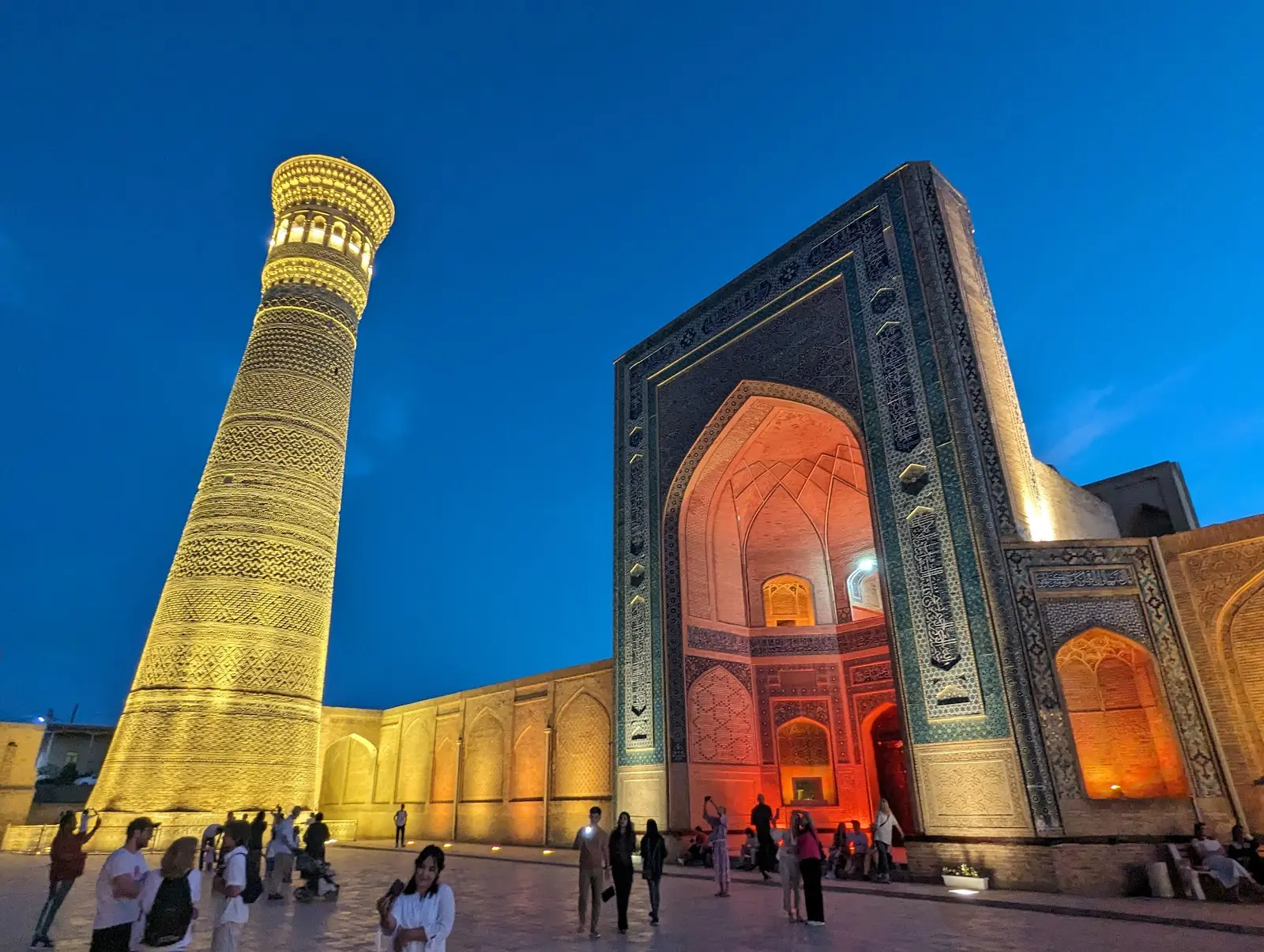
Architectural & Religious Ensemble
Poi-Kalyan Complex
The defining architectural symbol of Bukhara: the towering 48-meter Kalyan Minaret, the monumental Friday Mosque, and the active Mir-i-Arab Madrasa framing an awe-inspiring stone plaza.
Walk through a city shaped by Silk Road trade, Islamic scholarship, spirituality, craftsmanship, and centuries of urban life.
.jpg) UNESCO World Heritage
UNESCO World HeritageDiscover 12 historic landmarks and regional sites. Click "Explore Details" to view history, architectural highlights, and practical visitor guidance in-place.
The defining architectural symbol of Bukhara: the towering 48-meter Kalyan Minaret, the monumental Friday Mosque, and the active Mir-i-Arab Madrasa framing an awe-inspiring stone plaza.
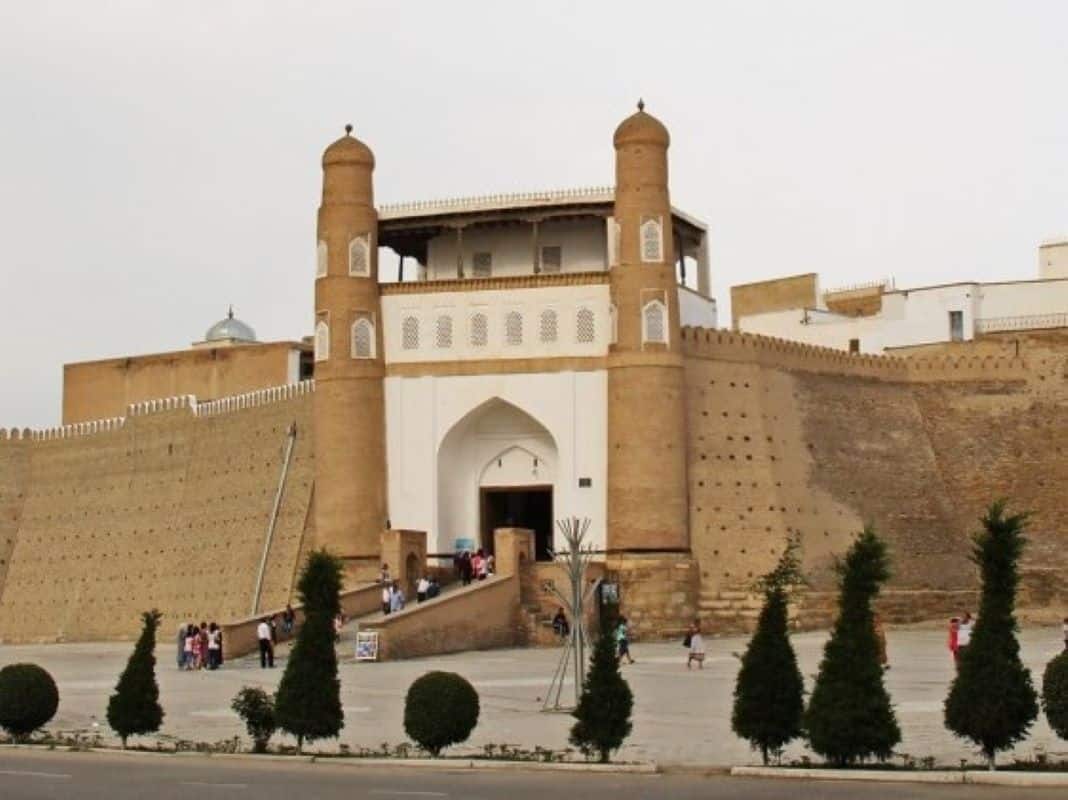
A massive 5th-century fortress rising like an earthen mountain in the center of Bukhara, from which the rulers of the Emirate governed their desert empire.
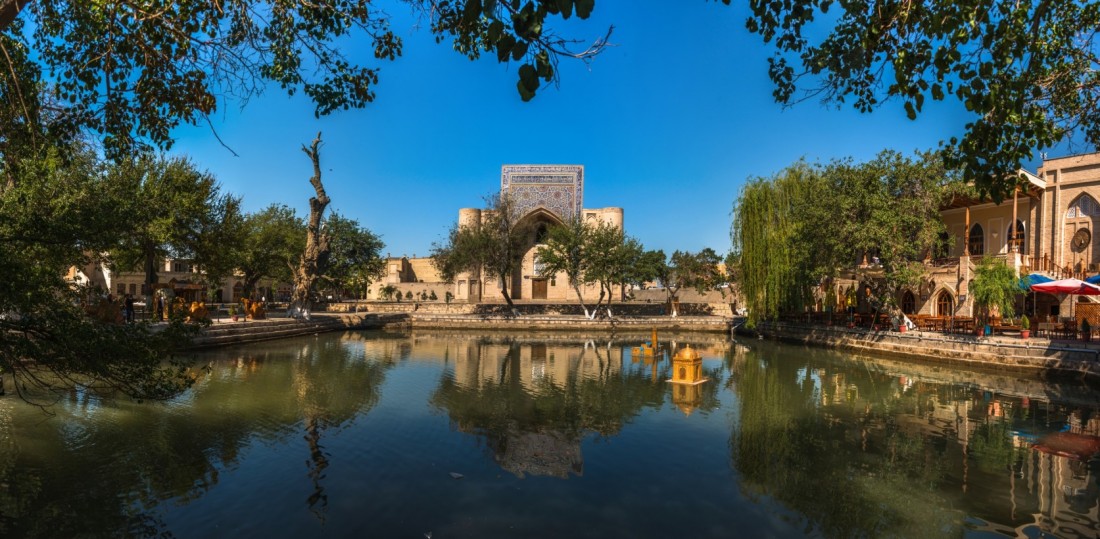
Bukhara’s most atmospheric open-air gathering place: a tranquil 17th-century stone pond shaded by centuries-old mulberry trees and framed by monumental madrasas.
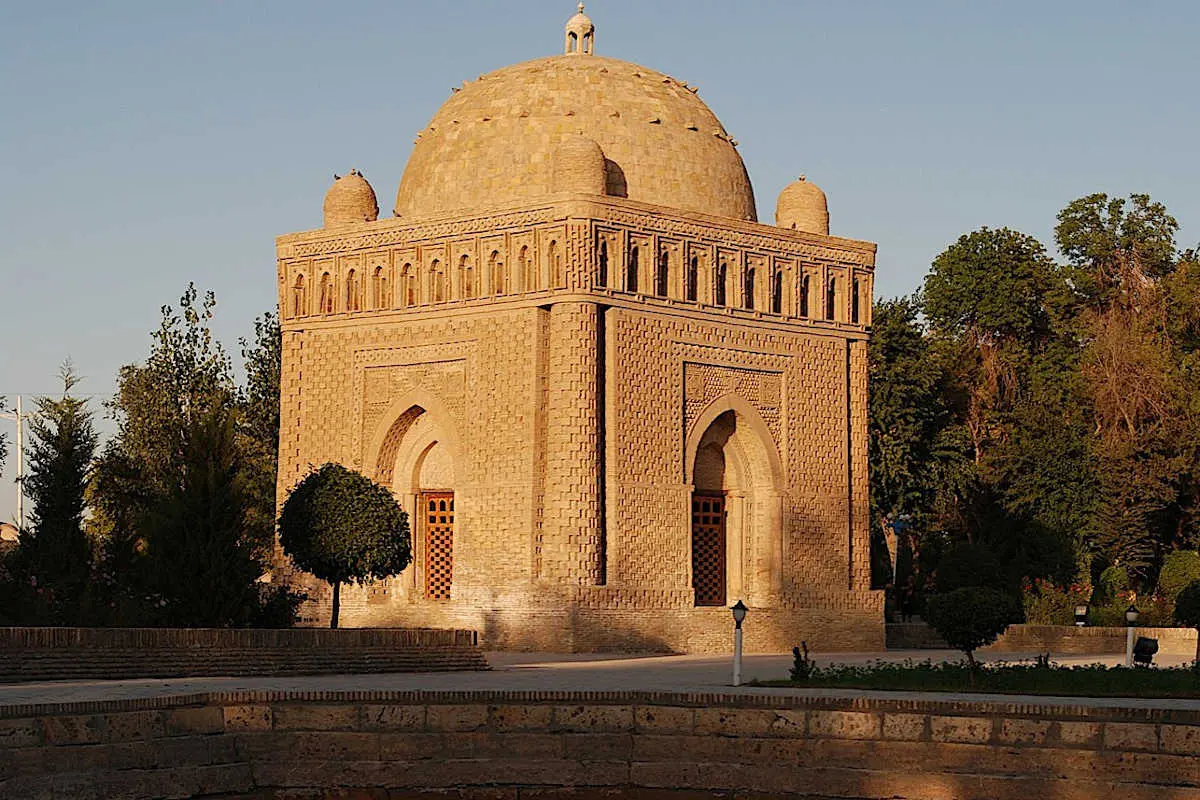
A jewel of 9th-century architecture: a cube of woven baked clay brickwork that survived Genghis Khan because it lay buried beneath desert silt for centuries.
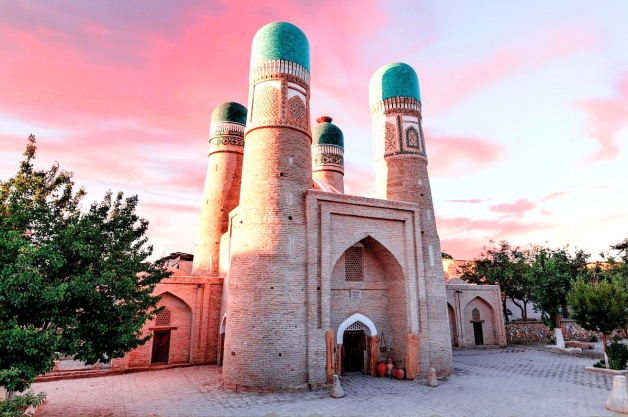
One of Bukhara’s most photogenic and curious structures: a compact gatehouse crowned by four turquoise-domed minarets, each decorated with distinct motifs.
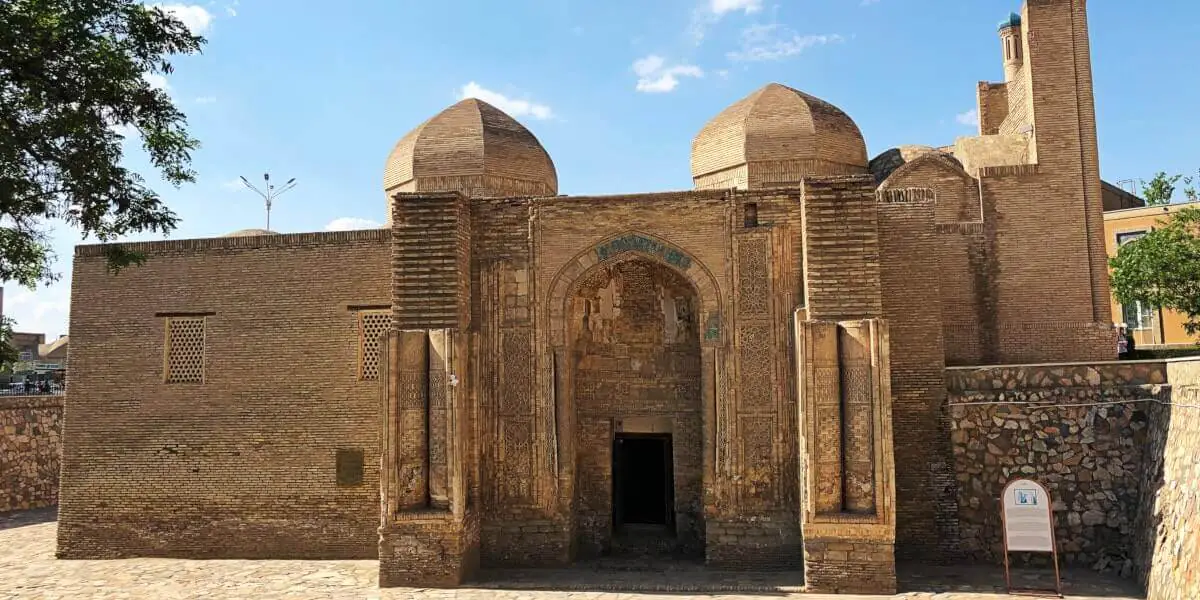
The oldest surviving mosque in Central Asia, standing 4.5 meters below modern street level on the site of a pre-Islamic Zoroastrian Moon Temple.
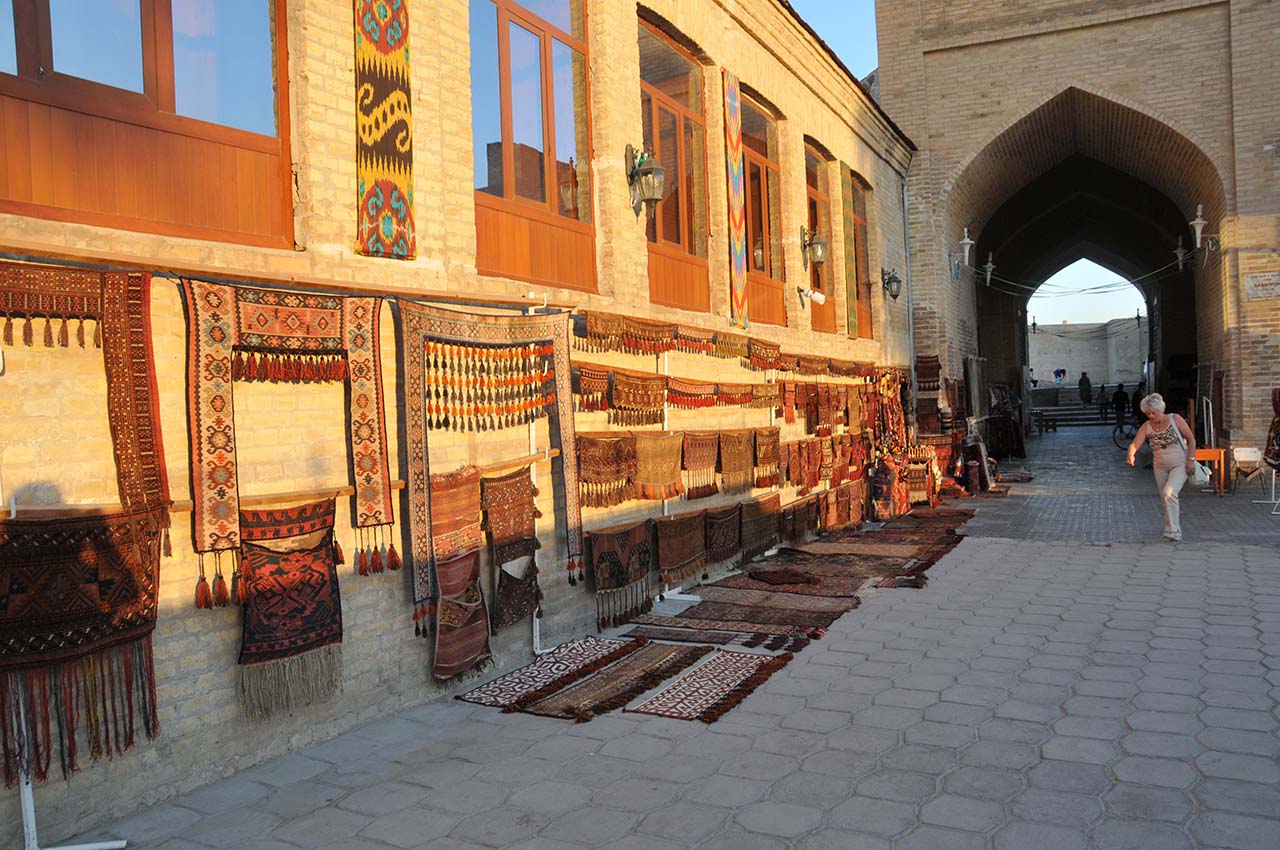
Three surviving multi-domed 16th-century crossroads (Toqi Zargaron, Toqi Telpak Furushon, Toqi Sarrofon) where caravans once bartered silk, gems, and currency.
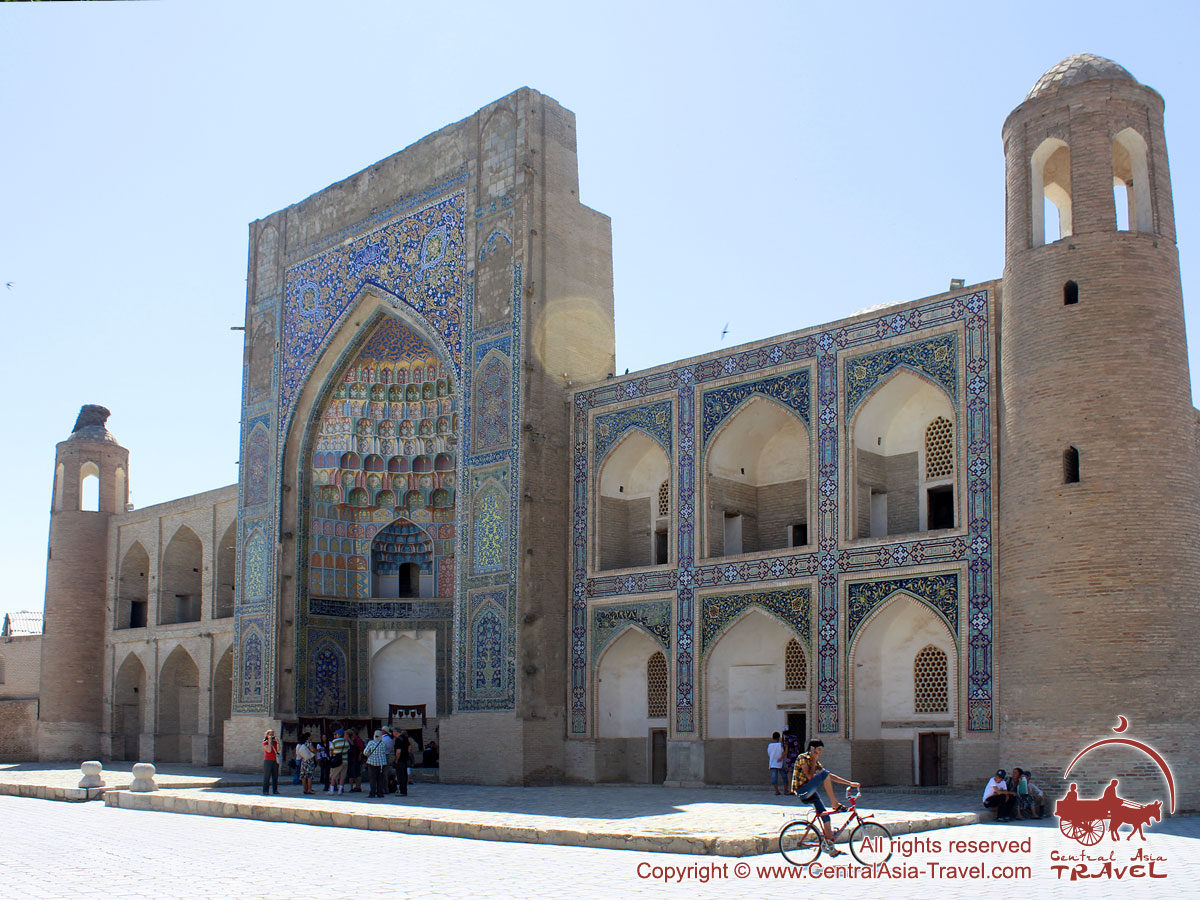
Facing each other across a narrow lane: the austere, scientific 15th-century madrasa of Ulugh Beg contrasted with the dazzling, flamboyant 17th-century palace-madrasa of Abdulaziz Khan.
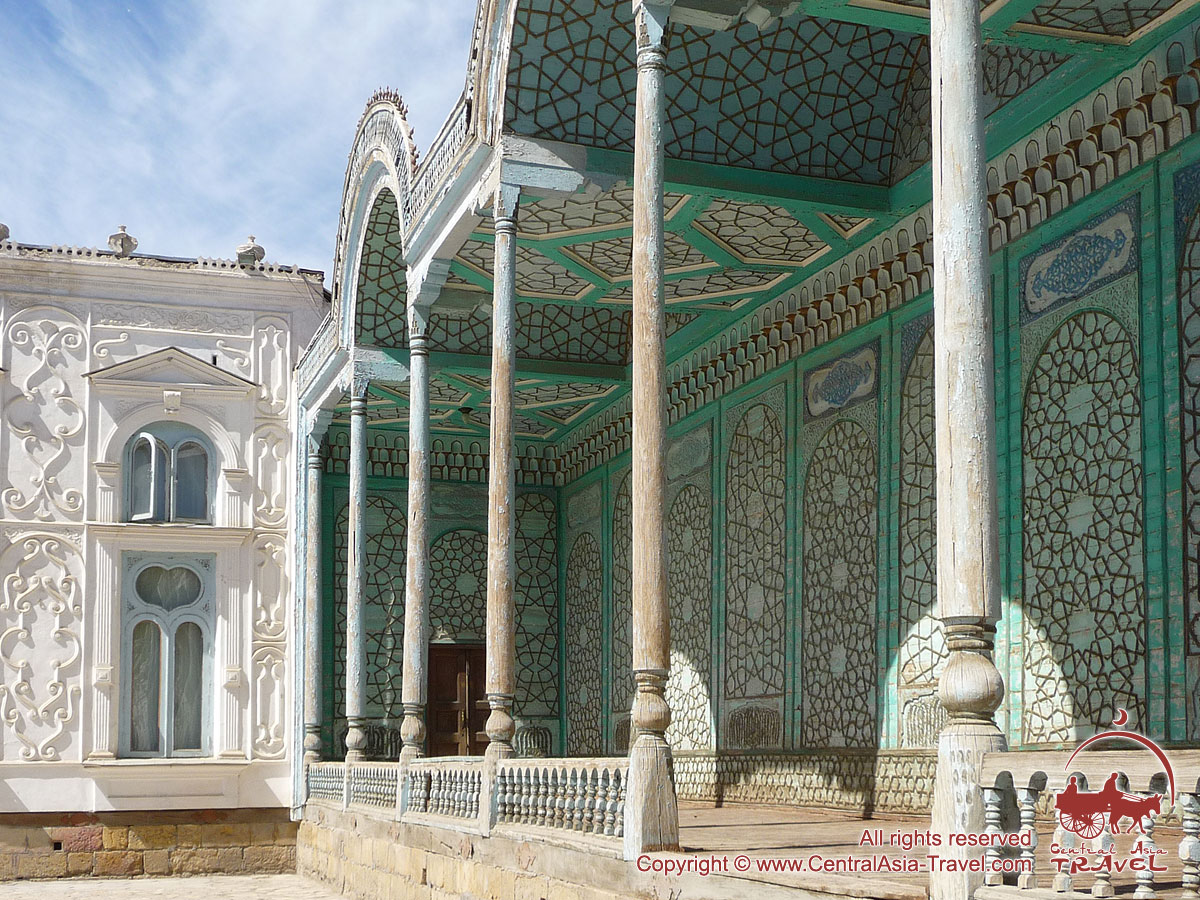
The enchanting summer retreat of the last Emirs of Bukhara: a fascinating fusion of traditional Oriental plaster carving and Russian Tsarist palace opulence.
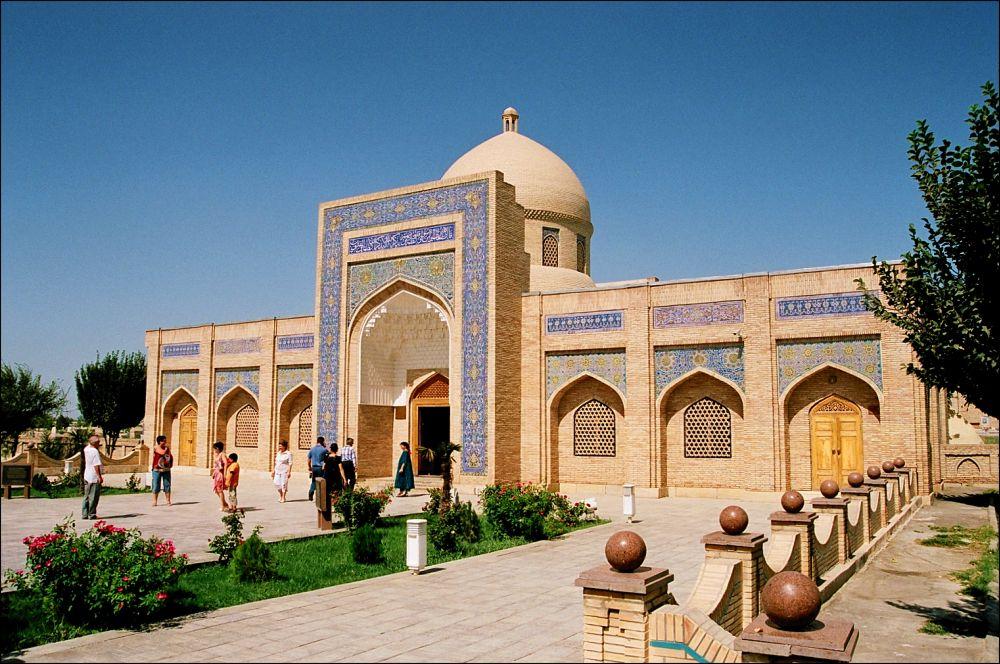
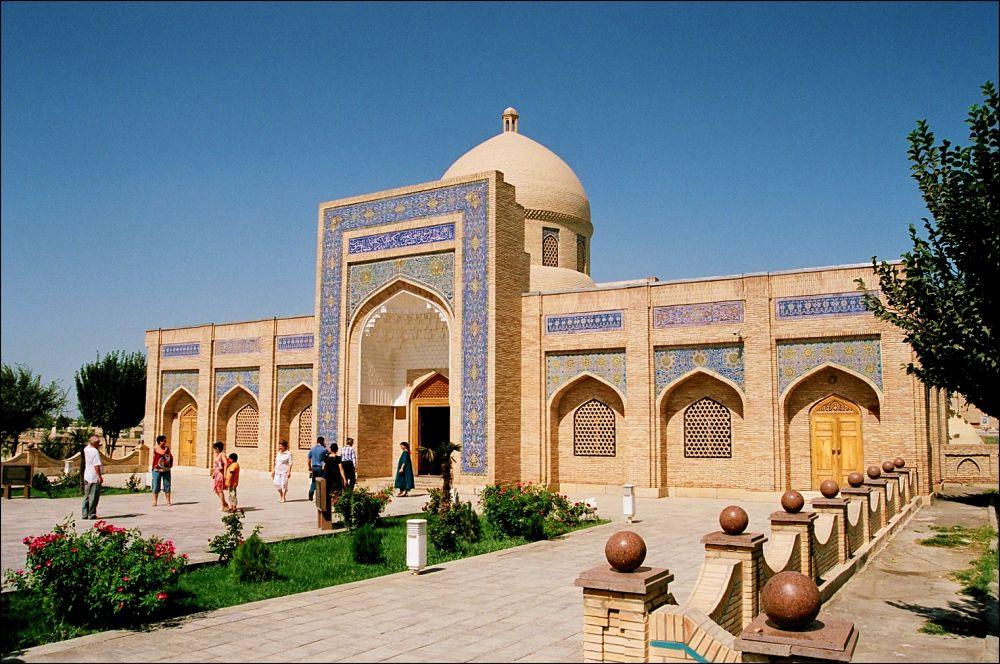
A serene and revered pilgrimage sanctuary dedicated to the founder of the Naqshbandi Sufi order, surrounded by sacred gardens and holy mulberry trees.
A historic artisan town 45 km north of Bukhara, world-famous for its distinct, warm golden-brown and green glazed pottery crafted by six generations of the Narzullaev master family.
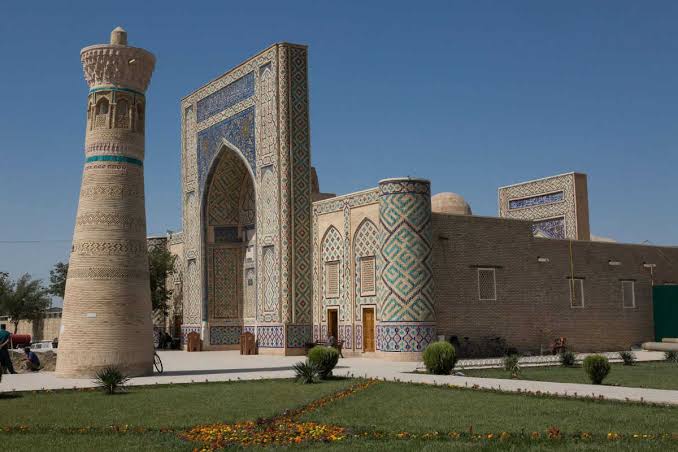
A soaring 39-meter baked-brick minaret rising above the oasis town of Vabkent, standing virtually unchanged since 1198 CE as a triumph of pre-Mongol engineering.
Curated regional background on history, living culture, culinary traditions, seasonality, and practical travel notes. Expand any section below to learn more.
Explore authentic private and small-group journeys guided by local experts.
A comprehensive walking tour through Poi-Kalyan, the Ark fortress, Samanid Mausoleum, trading domes, and Lyabi-Hauz.
$90 / person

Visit Sitora-i-Mokhi-Khosa Palace, Gijduvan ceramics master class, and sleep beneath stars in a Kyzylkum desert yurt.
$195 / person
Uzbekistan's oasis cities connect smoothly via high-speed Afrosiyob trains and scenic mountain passes.
.jpg) Timurid Grandeur
Timurid GrandeurAzure madrasas, Ulugh Beg's observatory, paper workshops & mountain passes.
.jpg) Walled Desert Oasis
Walled Desert OasisWalk inside Ichan-Kala's mudbrick walls, minarets, and royal palaces.
.jpg) Capital & Mountains
Capital & MountainsChorsu Bazaar, Soviet metro art, alpine waters of Charvak & Chimgan peaks.