
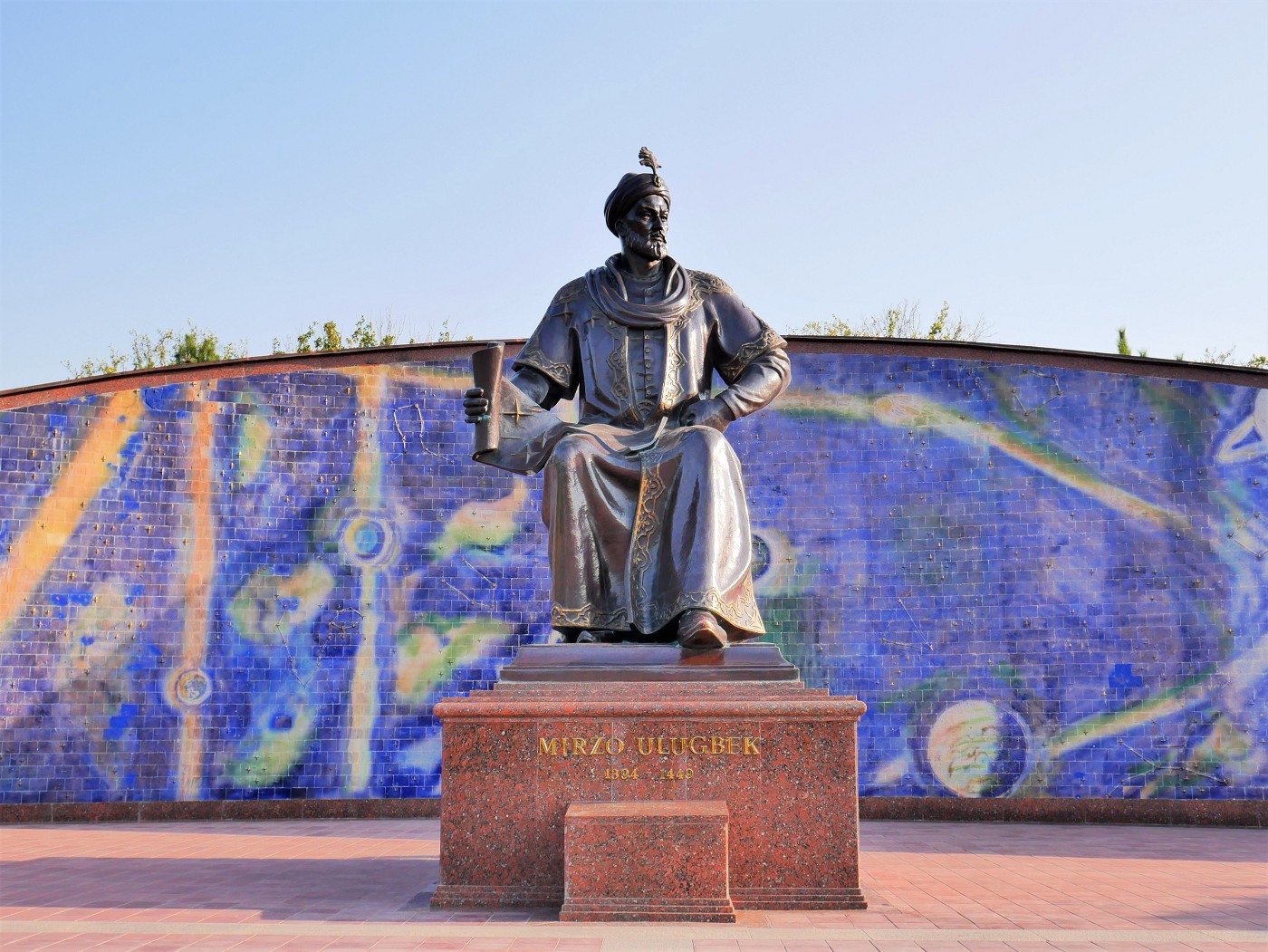
 Timurid Samarkand
Ulugh Beg Observatory
The remnants of a colossal 15th-century astronomical sextant that calculated the length of the stellar year with near-atomic precision.
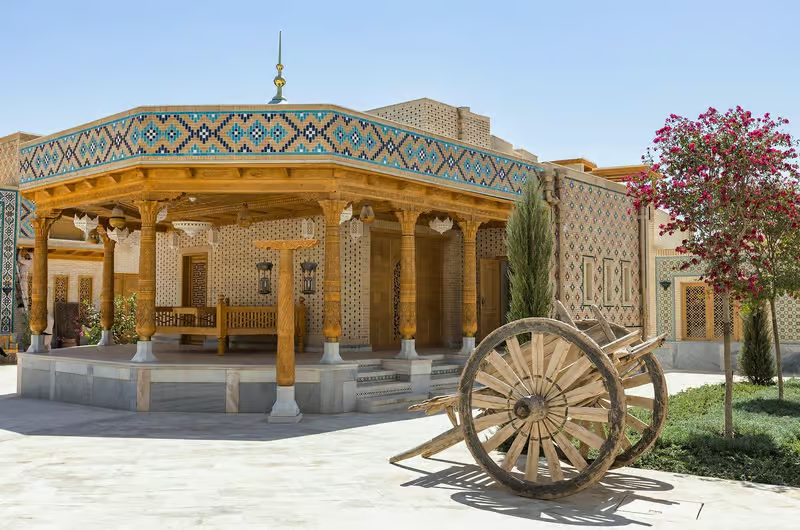
Living Silk Road Craftsmanship
A tranquil riverside mill where the ancient art of making silk-smooth, archival mulberry paper is kept alive using water-powered wooden hammers.
Konigil village
Living Artisan Workshop
8th Century craft revived in modern times
Mukhtarov brothers (Artisan masters)
Manufacture of world-famous Samarkand mulberry paper (Kogoz)
1.5 – 2 hours
An idyllic open-air workshop nestled among willows along the Siab river, where master artisans demonstrate the complete step-by-step process of producing legendary Samarkand mulberry paper by hand.
In the 8th century, Chinese papermakers captured at the Battle of Talas (751 CE) shared their craft with Samarkand artisans, who perfected it using mulberry bark. The historic Konigil mill was meticulously revived in 1995.
Revived by UNESCO and master craftsman Zarif Mukhtarov to preserve ancestral knowledge that supplied European and Asian courts with paper that resists insects and remains supple for a thousand years.
Producing archival-grade paper for imperial decrees, illuminated manuscripts, and royal libraries across the Islamic and Western worlds.
An engaging chronological story free from dry textbook jargon, focusing on how this place influenced the Silk Road.
During the medieval era, Samarkand paper was so soft and smooth it was likened to silk. When industrial paper production arrived in the 19th century, the handmade watermills vanished until the Mukhtarov family spent years experimenting with ancient recipes to revive the water-powered mortar.
What to notice and look for when standing before this site.
Constructed entirely of clay, wood, and river stones without modern machinery. A wooden water wheel turns a camshaft that lifts heavy wooden pestles to pulp the softened mulberry fibers in stone basins.
Activities and sensory experiences specifically relevant to this site.
See the watermill wheel lifting massive wooden mallets to crush the mulberry bark.
Observe the papermaker dip bamboo screens into water vats to collect uniform pulp layers.
Watch artisans polish dry sheets with an agate stone and horn to create a glass-like writing surface.
Purchase journals, greeting cards, and miniature paintings crafted on 1,000-year durable paper.
The historical, scientific, or cultural takeaways that enrich your understanding of Central Asia.
How only renewable young mulberry branches are used without cutting down trees.
How Samarkand paper replaced clumsy parchment and papyrus, accelerating the European Renaissance.
Recommendations for teahouses, bakeries, artisan workshops, and walks in the surrounding neighborhood.
Konigil now also hosts traditional pottery workshops, sesame oil press demonstrations, and riverside chorpoy tea platforms where you can enjoy local bread and tea.
Explore other regional landmarks that share historical or geographic connections with this site.
Timurid SamarkandThe remnants of a colossal 15th-century astronomical sextant that calculated the length of the stellar year with near-atomic precision.
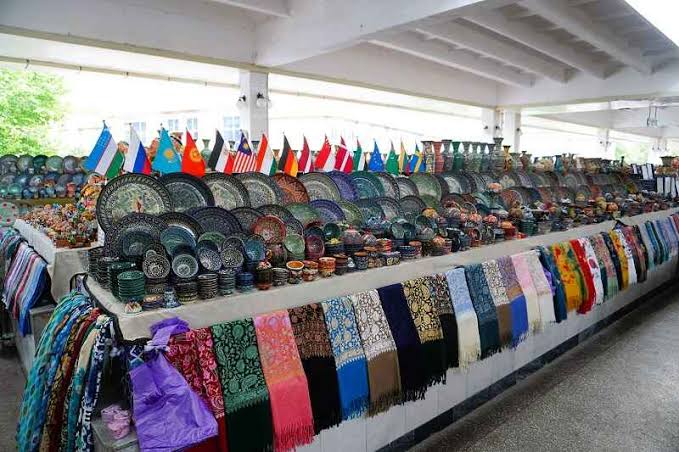 Living Samarkand
Central Asia’s most vibrant covered trading bazaar: stacks of golden Samarkand bread, dried apricots, mountain honey, and mountain spices.
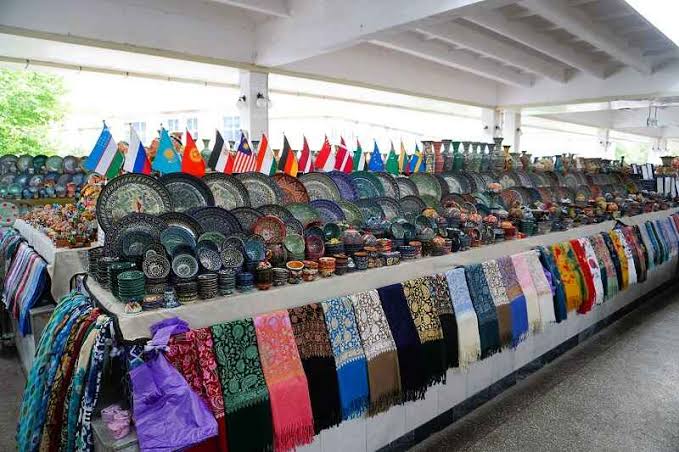 Living Samarkand
A captivating regional getaway at the foot of the mountains: the famous Sunday textile bazaar paired with a thousand-year-old grove of giant plane trees.
Looking for something beyond this monument? Discover a completely different historical or natural dimension of the region.
One of the world’s most breathtaking public squares, framed by three monumental tiled madrasas that established Samarkand as a global center of science and faith.
A sacred hillside necropolis boasting the most exquisite cobalt, turquoise, and lapis lazuli tilework in the entire Islamic world.
.jpg)
Include this landmark in a customized private or small-group journey combining ancient cities with Nuratau Mountain homestays.