
 The City of Rulers
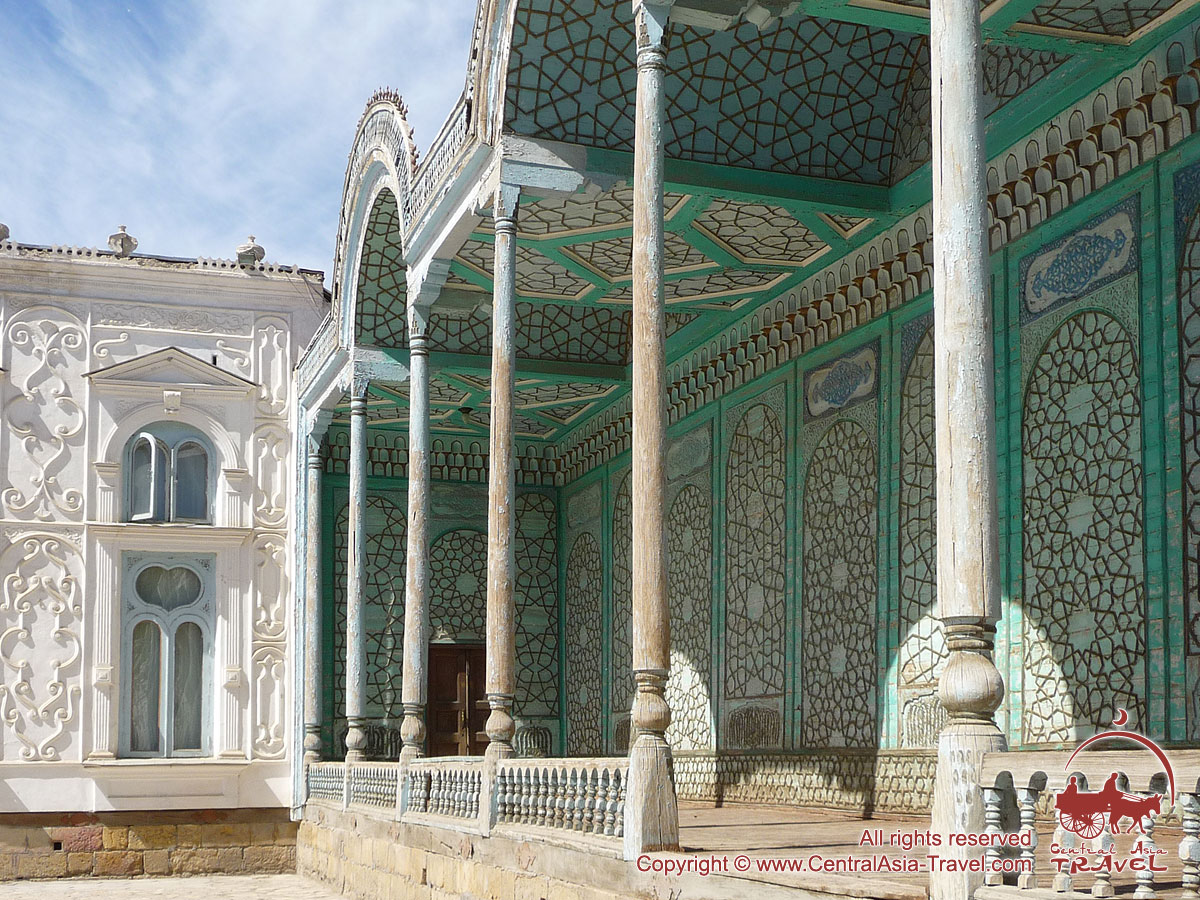
Sitora-i-Mokhi-Khosa Palace
The enchanting summer retreat of the last Emirs of Bukhara: a fascinating fusion of traditional Oriental plaster carving and Russian Tsarist palace opulence.
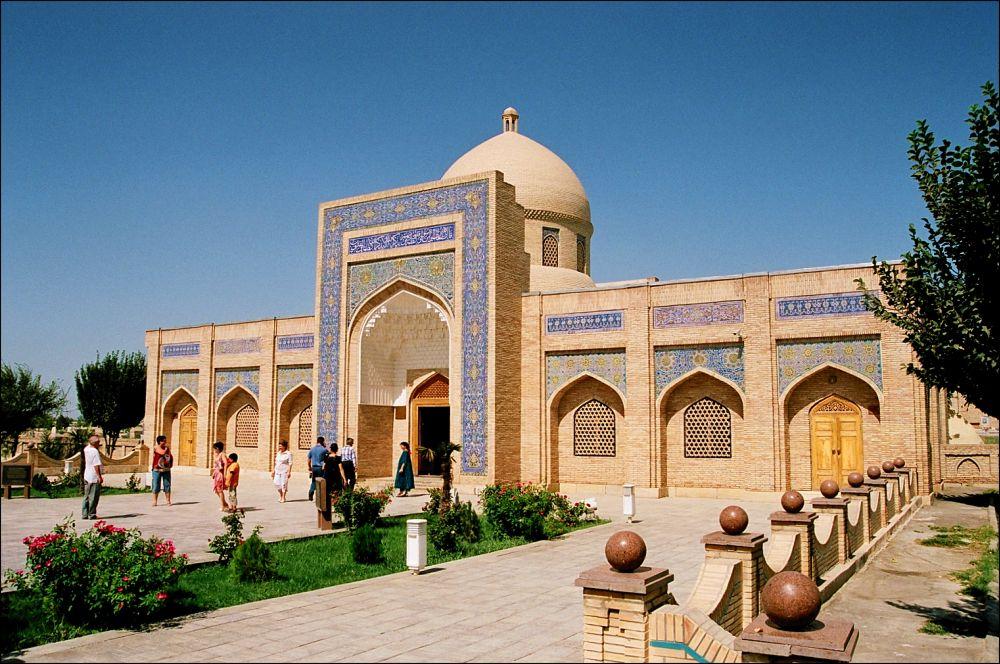
The Sacred Sanctuary of Central Asian Sufism
A serene and revered pilgrimage sanctuary dedicated to the founder of the Naqshbandi Sufi order, surrounded by sacred gardens and holy mulberry trees.
Kasri Orifon village
Sufi Memorial Complex
14th Century (1389 CE) to 16th Century
Followers of Bahauddin Naqshband & Abdulaziz Khan (Shaybanid)
Tomb of the Sufi saint
2 hours
A deeply spiritual and tranquil memorial complex centered on the tomb of Bahauddin Naqshband (1318–1389), one of the most revered figures in Islamic mysticism. Often called 'the Mecca of Central Asia', completing three pilgrimages here was historically considered equivalent to performing the Hajj.
The tomb was established shortly after Naqshband's death in 1389. The grand marble complex, mosque, and khanaqah were erected in 1544 by Shaybanid ruler Abdulaziz Khan.
Constructed by monarchs and devotees who revered Naqshband's spiritual teachings, which emphasized practical labor, quiet inward remembrance of God (dhikr), and humility rather than public show.
A center for Sufi meditation, ethical training, feeding pilgrims and the poor, and honoring the spiritual teacher whose disciples spread from Turkey to India and China.
An engaging chronological story of how this monument survived invasions, earthquakes, and civilizational shifts.
Naqshband was a master weaver who earned his livelihood making silk textiles (naqshband means 'embroiderer'). His doctrine: 'Dil ba yoru, dast ba kor' (Heart with the Beloved, hand at work) taught that true spirituality does not require withdrawing from the world, but engaging actively and ethically in society.
What to observe when standing before this monument or workshop.
The complex includes a large marble-clad courtyard, an open wooden summer mosque with intricately painted ceilings, a sacred pool (hauz), a minaret, and the historic prostrate trunk of an ancient mulberry tree believed to have grown from Naqshband's staff.
Sensory activities specifically relevant to this site.
Experience the deep peace and spiritual stillness of the marble courtyard.
Visit the Museum of Sufism explaining the lineage and spiritual ethics of the Naqshbandi order.
Observe pilgrims performing traditional prayers and taking blessed water from the holy spring.
The historical, spiritual, or trade insights that deepen your understanding of Central Asia.
How this world-influencing mystical path balanced inward meditation with honest professional craftsmanship.
The cultural etiquette, respect, and warmth of Ziyarat pilgrimage in Uzbek society.
Teahouses, spice shops, artisan stalls, and quiet courtyards in the surrounding mahallas.
En route from Bukhara, the road passes through agricultural villages renowned for pomegranate orchards and rural tandoor bakeries.
Explore other regional landmarks that share historical or geographic connections with this site.
The City of RulersThe enchanting summer retreat of the last Emirs of Bukhara: a fascinating fusion of traditional Oriental plaster carving and Russian Tsarist palace opulence.
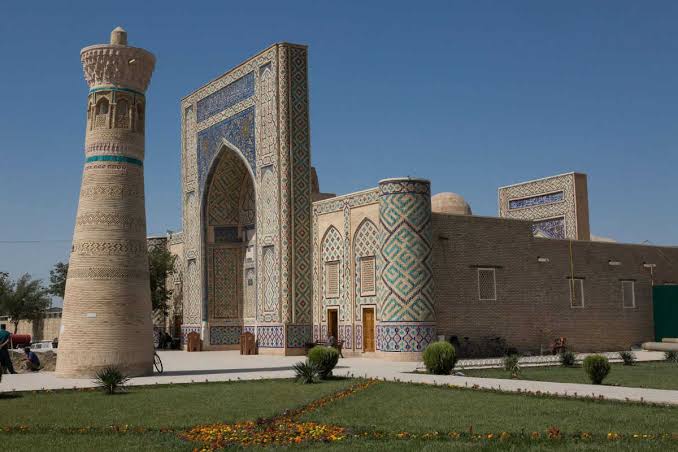 The City of Crafts
A historic artisan town 45 km north of Bukhara, world-famous for its distinct, warm golden-brown and green glazed pottery crafted by six generations of the Narzullaev master family.
Looking for something beyond this monument? Discover a completely different historical, merchant, or craft dimension.
A massive 5th-century fortress rising like an earthen mountain in the center of Bukhara, from which the rulers of the Emirate governed their desert empire.
Bukhara’s most atmospheric open-air gathering place: a tranquil 17th-century stone pond shaded by centuries-old mulberry trees and framed by monumental madrasas.
.jpg)
Include this historic landmark in a private or small-group journey connecting ancient Silk Road trading cities with Nuratau Mountain homestays.