
 The Spiritual City
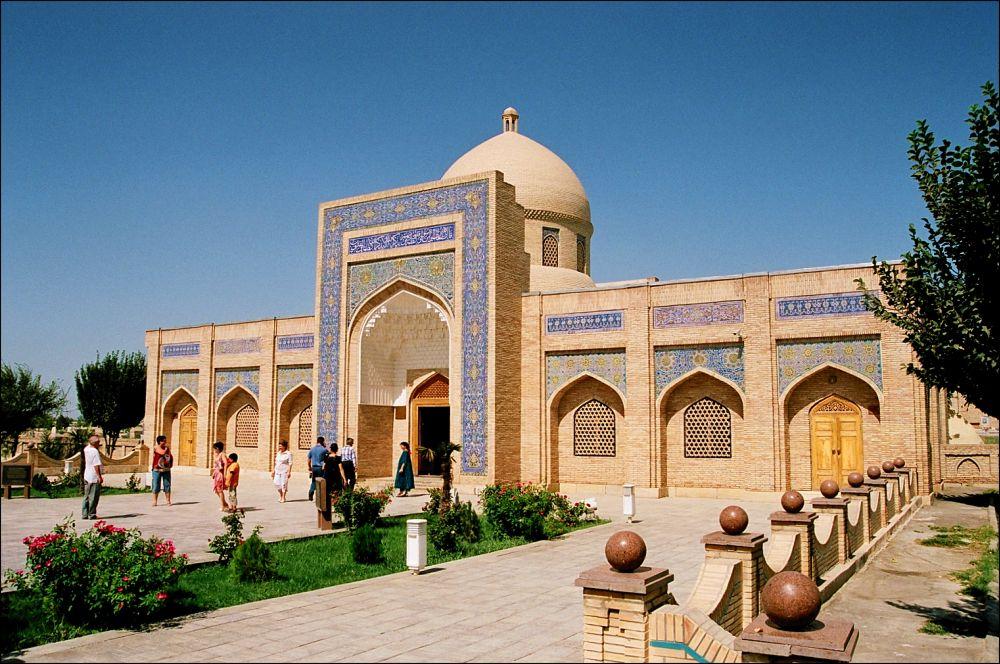
Bahauddin Naqshband Memorial Complex
A serene and revered pilgrimage sanctuary dedicated to the founder of the Naqshbandi Sufi order, surrounded by sacred gardens and holy mulberry trees.
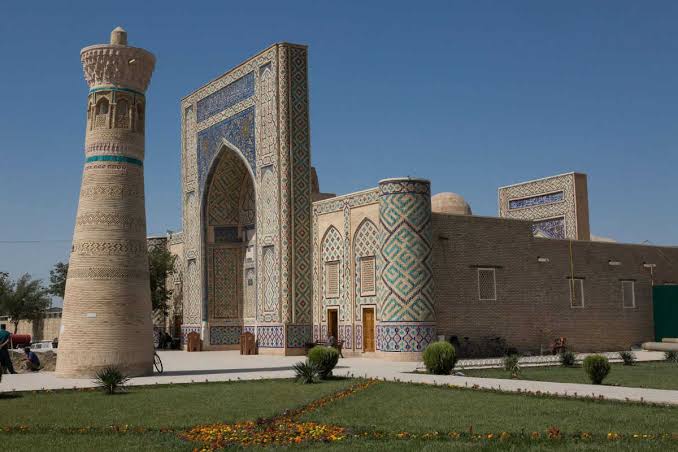
Living Dynasties of Lead-Free Pottery
A historic artisan town 45 km north of Bukhara, world-famous for its distinct, warm golden-brown and green glazed pottery crafted by six generations of the Narzullaev master family.
Gijduvan town
Artisan Ceramic Workshop, Museum
Centuries-old craft; 6-generation Narzullaev master family
Usto Ibodullo Narzullaev & Master Craftsmen
Utilitarian and decorative pottery manufacturing
3 hours (including lunch and workshop)
Gijduvan is Central Asia’s premier ceramic capital. Unlike the turquoise and blue glazes of Rishtan, Gijduvan pottery is distinguished by warm earth tones: amber yellows, olive greens, and deep browns, finished with natural lead-free ash glazes extracted from desert plants.
Gijduvan was an important trading town along the Silk Road since the early medieval period. The Narzullaev ceramic dynasty has preserved the family workshop on this site for six unbroken generations.
Preserved by traditional artisan guilds (Koshi) who extract clay from local riverbanks and formulate mineral glazes using herbs from the Kyzylkum desert.
Producing durable, heat-resistant, and aesthetically refined bowls (kosa), large platters (lagan), and water jugs for daily hospitality across Central Asian households.
An engaging chronological story of how this monument survived invasions, earthquakes, and civilizational shifts.
Gijduvan ceramics gained worldwide fame when Hillary Clinton, Prince Charles, and UNESCO officials visited the Narzullaev workshop. The master craftsmen still use a traditional foot-pedal wheel and wood-fired brick kilns that reach 1,000°C.
What to observe when standing before this monument or workshop.
The workshop features an open-air courtyard displaying hundreds of drying clay vessels, a small private museum of antique 19th-century regional pottery, and a dining courtyard where legendary Gijduvan shashlik is served.
Sensory activities specifically relevant to this site.
Watch master potters spin clay on the wheel and paint intricate floral motifs with reed brushes.
Buy unique, signed ceramic pieces directly from the master's private collection.
Enjoy the town’s legendary ground-meat skewers, widely considered the most tender in Uzbekistan.
The historical, spiritual, or trade insights that deepen your understanding of Central Asia.
How desert plants are burned to create completely non-toxic, lead-free glazes that shimmer with natural depth.
The master-apprentice (Usto-Shogird) system that has kept Uzbek craftsmanship alive through wars and empires.
Teahouses, spice shops, artisan stalls, and quiet courtyards in the surrounding mahallas.
In Gijduvan, also visit the monumental Ulugh Beg Madrasa (built in 1433) and the memorial shrine of Sufi master Khoja Abdulkholiq Gijduvani.
Explore other regional landmarks that share historical or geographic connections with this site.
The Spiritual CityA serene and revered pilgrimage sanctuary dedicated to the founder of the Naqshbandi Sufi order, surrounded by sacred gardens and holy mulberry trees.
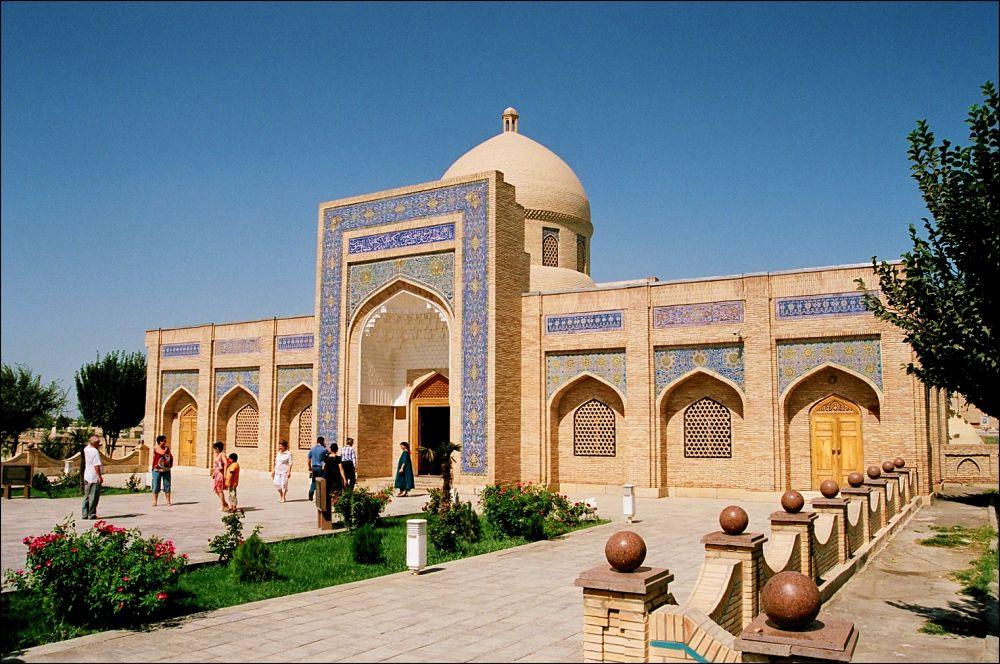 The City of Knowledge
A soaring 39-meter baked-brick minaret rising above the oasis town of Vabkent, standing virtually unchanged since 1198 CE as a triumph of pre-Mongol engineering.
Looking for something beyond this monument? Discover a completely different historical, merchant, or craft dimension.
The defining architectural symbol of Bukhara: the towering 48-meter Kalyan Minaret, the monumental Friday Mosque, and the active Mir-i-Arab Madrasa framing an awe-inspiring stone plaza.
A massive 5th-century fortress rising like an earthen mountain in the center of Bukhara, from which the rulers of the Emirate governed their desert empire.
.jpg)
Include this historic landmark in a private or small-group journey connecting ancient Silk Road trading cities with Nuratau Mountain homestays.